
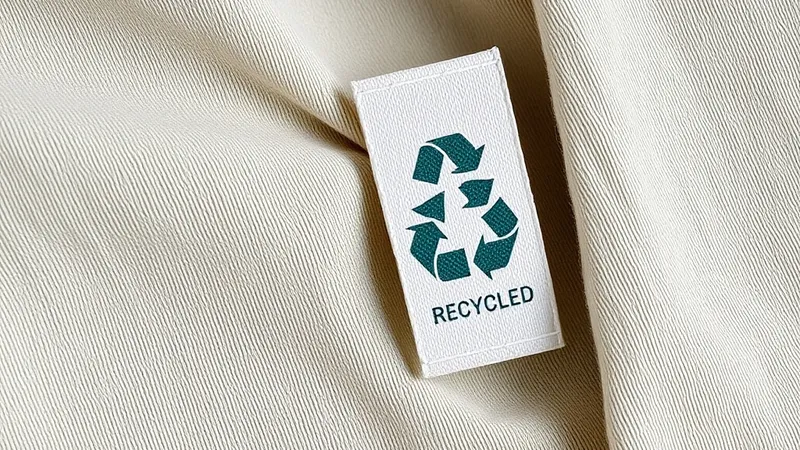
Start by auditing your current wardrobe. Sort clothes into keep, donate, or recycle piles. Brands like Patagonia and Eileen Fisher offer take-back programs for worn-out items, ensuring they’re repurposed or recycled. Avoid fast fashion staples like Shein or H&M’s trend-driven pieces; instead, invest in high-quality basics from Everlane or Reformation, known for ethical labor practices and eco-friendly materials like organic cotton or recycled polyester. Focus on versatile, timeless pieces that mix and match effortlessly to reduce overconsumption.
Prioritize materials with low environmental impact. Look for certifications like GOTS (Global Organic Textile Standard) for organic fabrics or Bluesign for safe production processes. Brands such as Pact and Kotn specialize in organic cotton, while Stella McCartney leads in innovative vegan leather alternatives. Avoid synthetic fabrics like nylon or acrylic, which shed microplastics. Instead, opt for linen, hemp, or Tencel—lyocell fibers derived from sustainably sourced wood pulp. These materials are biodegradable and require less water to produce.
Style Essentials
Extend the life of your clothes through mindful care. Wash items only when necessary in cold water and air-dry to preserve fabric integrity. Use eco-friendly detergents like Seventh Generation or Ecover. For repairs, brands like Nudie Jeans offer free repair services. Upcycle old tees into rags or transform worn-out jeans into shorts. Thrifting is another key strategy; stores like ThredUp or local thrift shops offer secondhand gems at a fraction of retail prices. Even luxury consignment platforms like The RealReal help keep high-end fashion out of landfills.
Fashion is about expressing yourself with confidence. This guide provides practical style information to help you look and feel your best.
Related: The Ultimate Capsule Wardrobe Guide for 2026: Streamlined Style Meets Sustainability · Fashion Trends to Watch: The Defining Looks of 2026
Practical Tips
Support brands committed to transparency and circular fashion. Research companies using renewable energy, water-saving techniques, and fair labor wages. Brands like Reformation publish annual sustainability reports, detailing their environmental impact. For shoes, Veja uses wild rubber and organic cotton, while Allbirds crafts shoes from renewable merino wool and sugarcane. When buying new, ask: Is this piece made to last? Will it biodegrade? Can it be recycled? By making intentional choices, you reduce waste and contribute to a more sustainable fashion industry.